

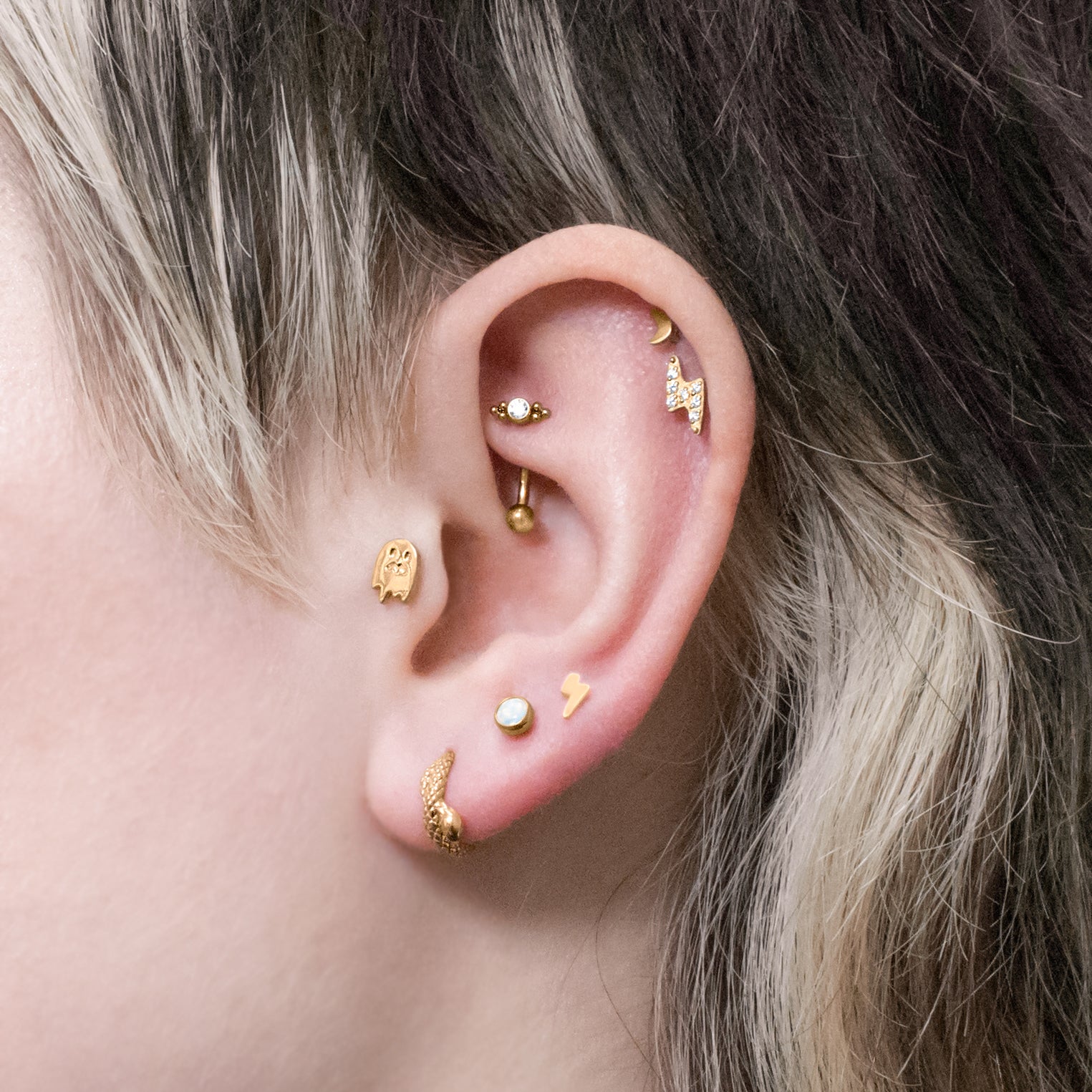
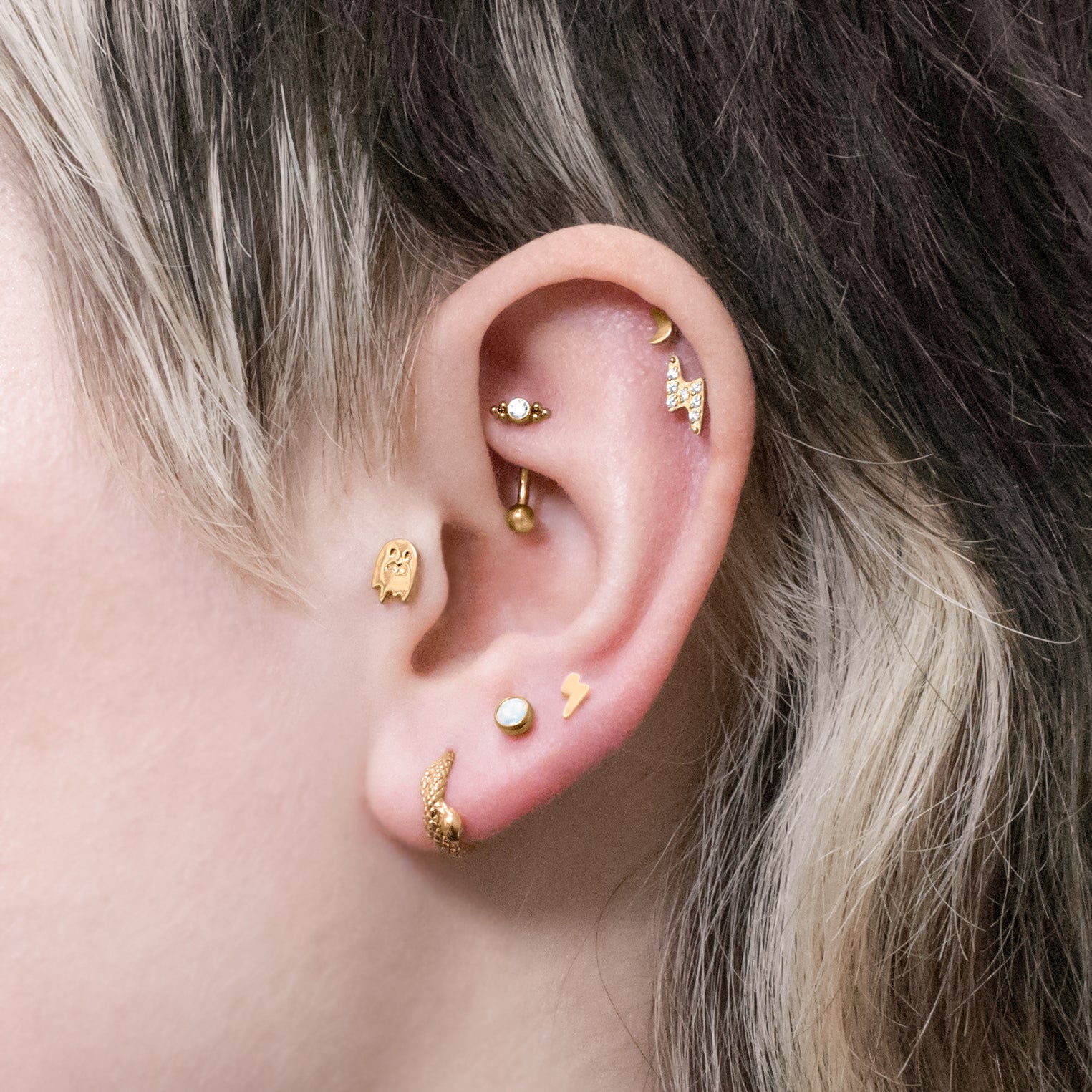
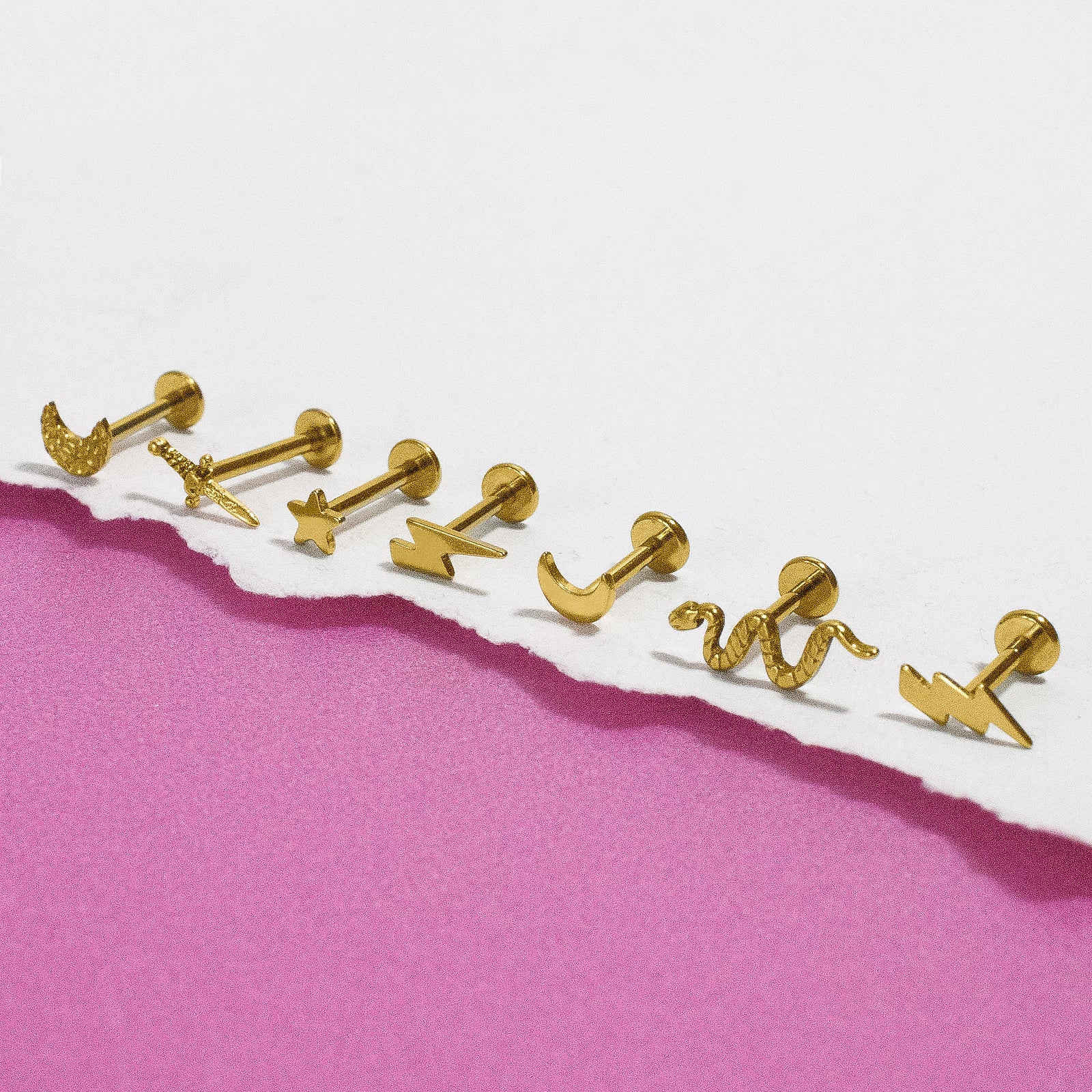
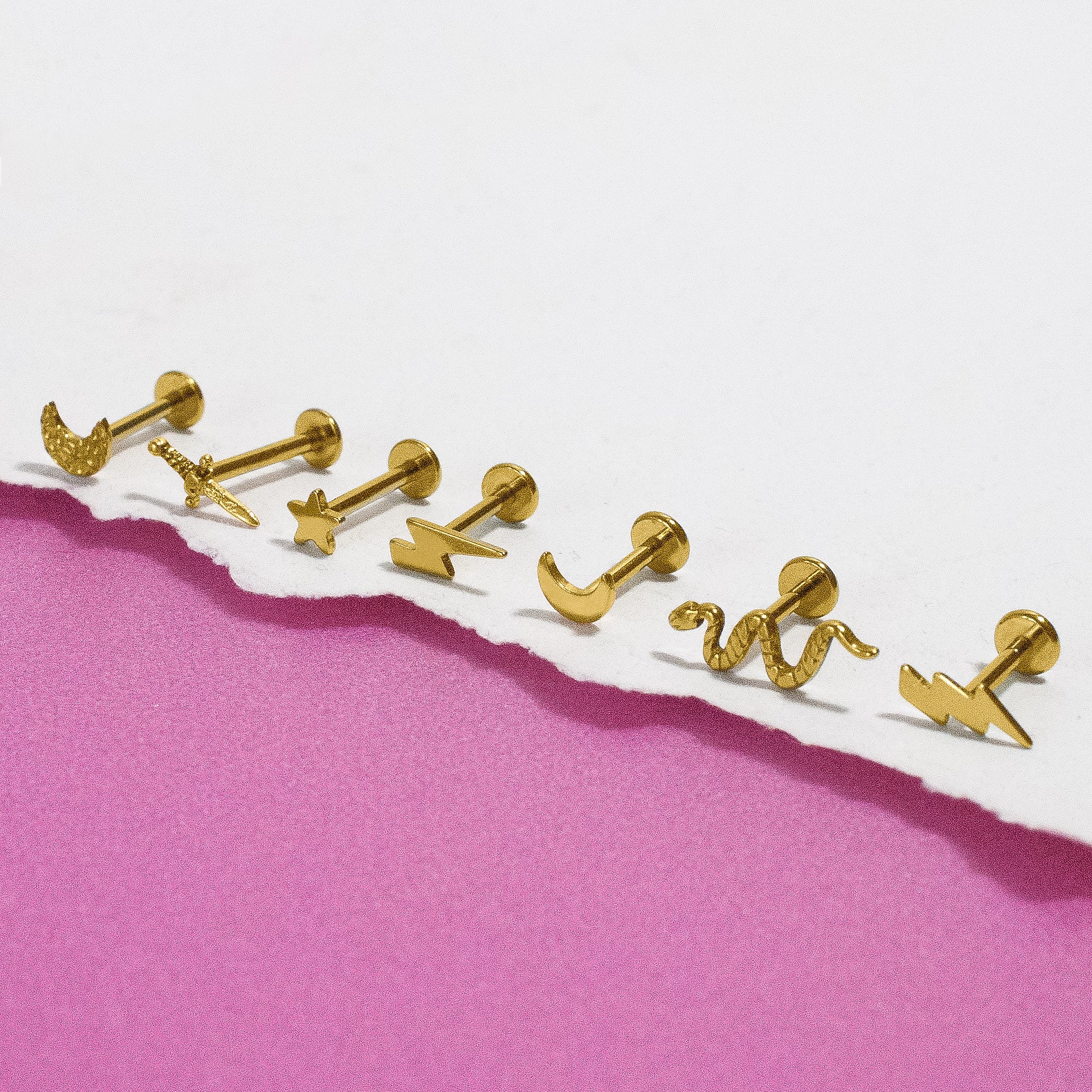
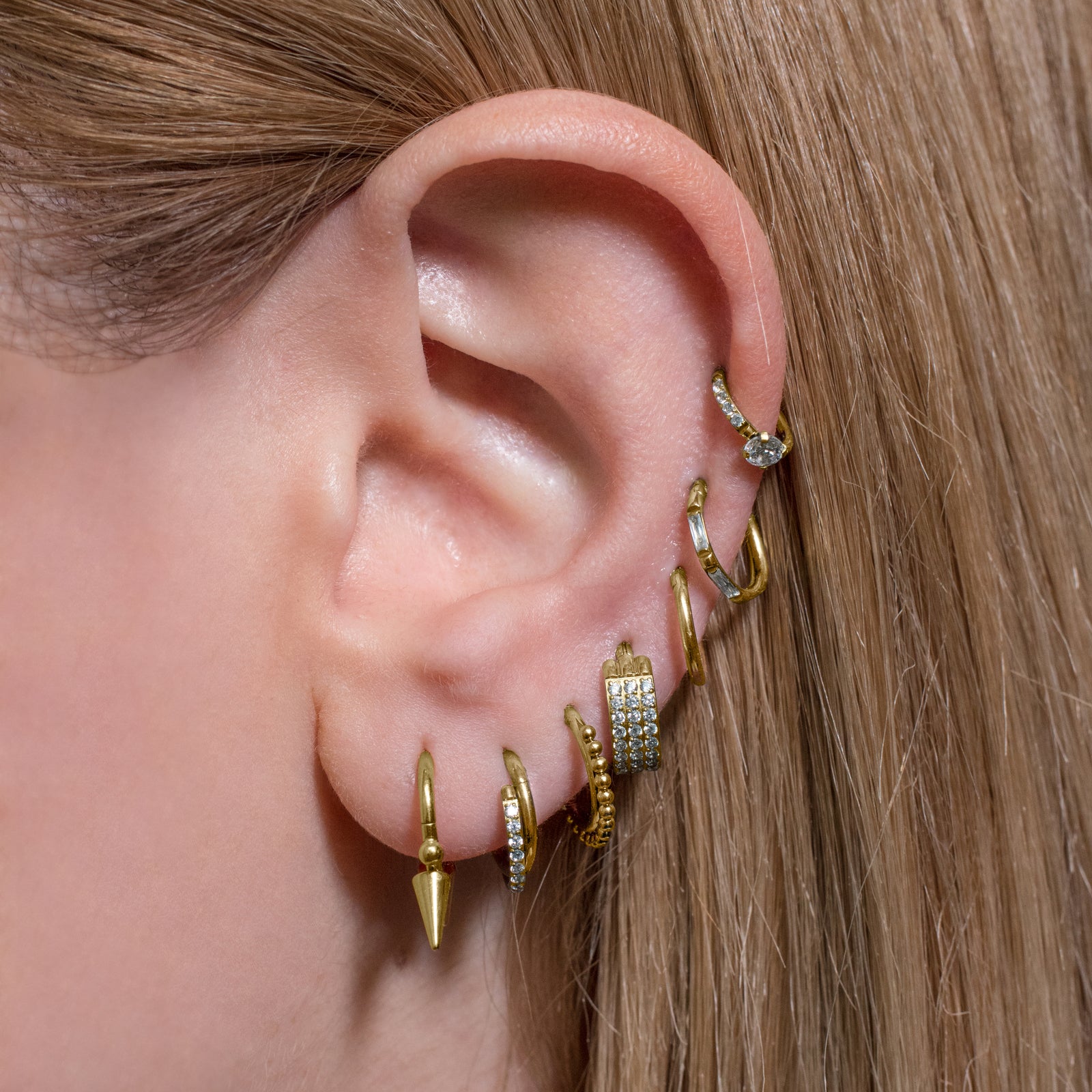
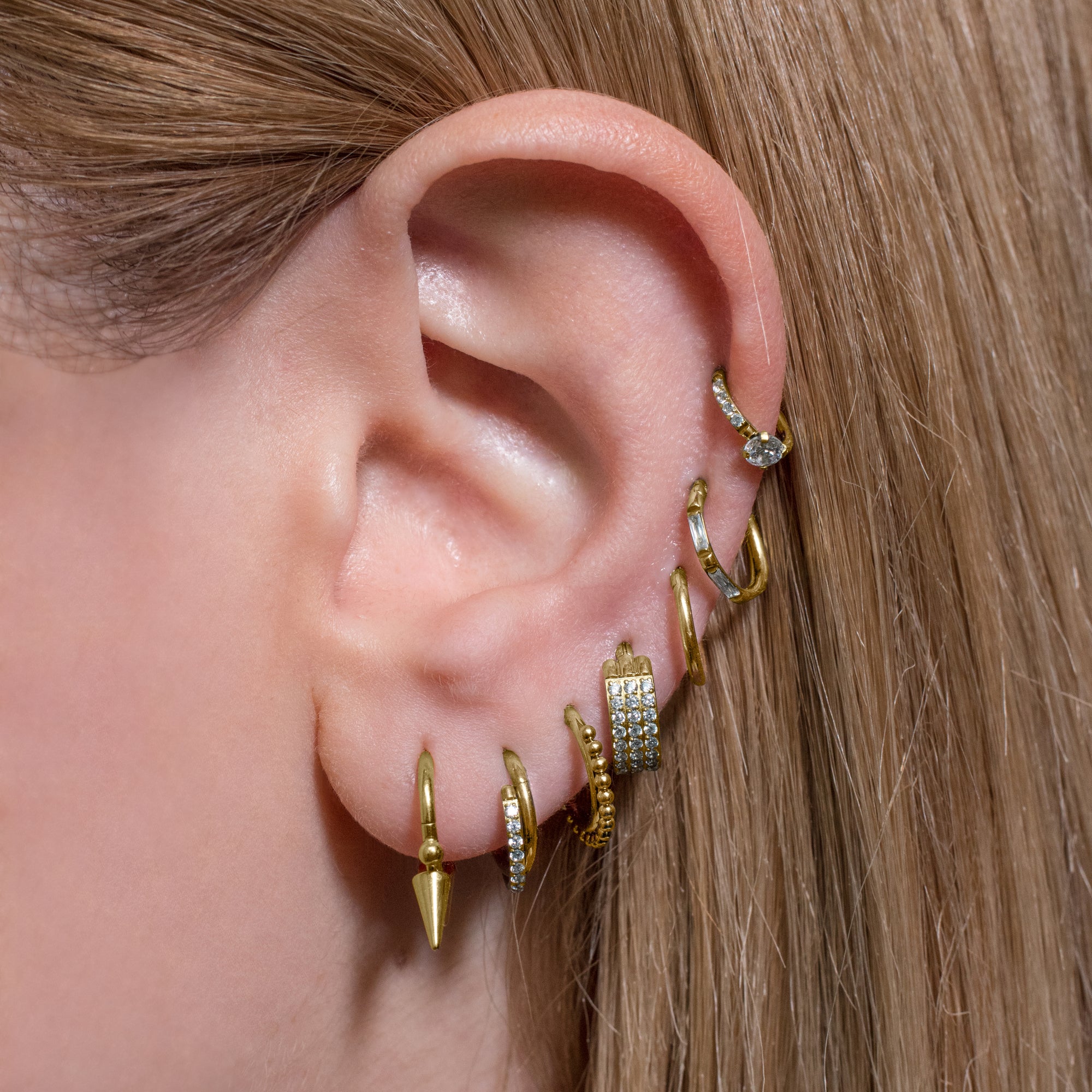
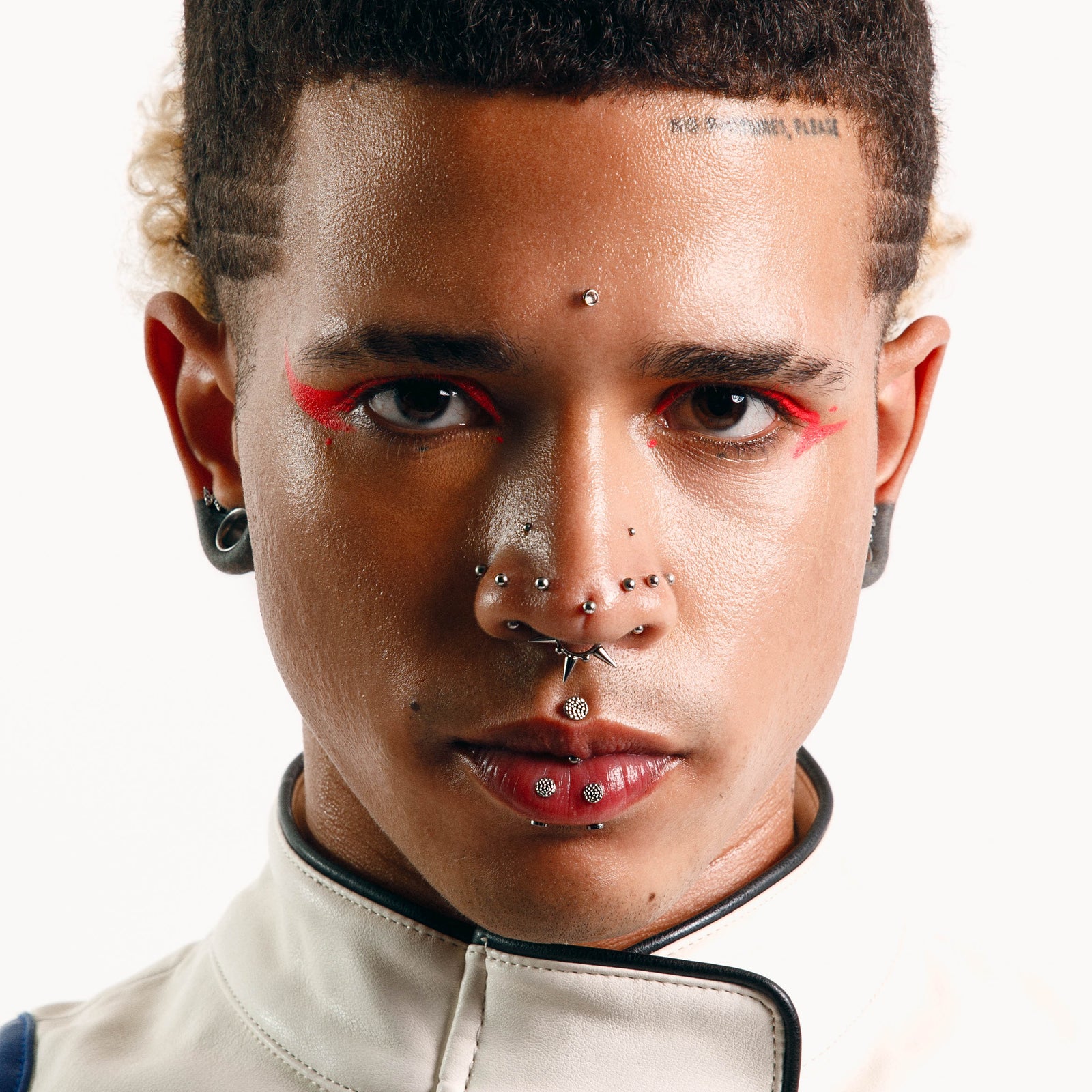
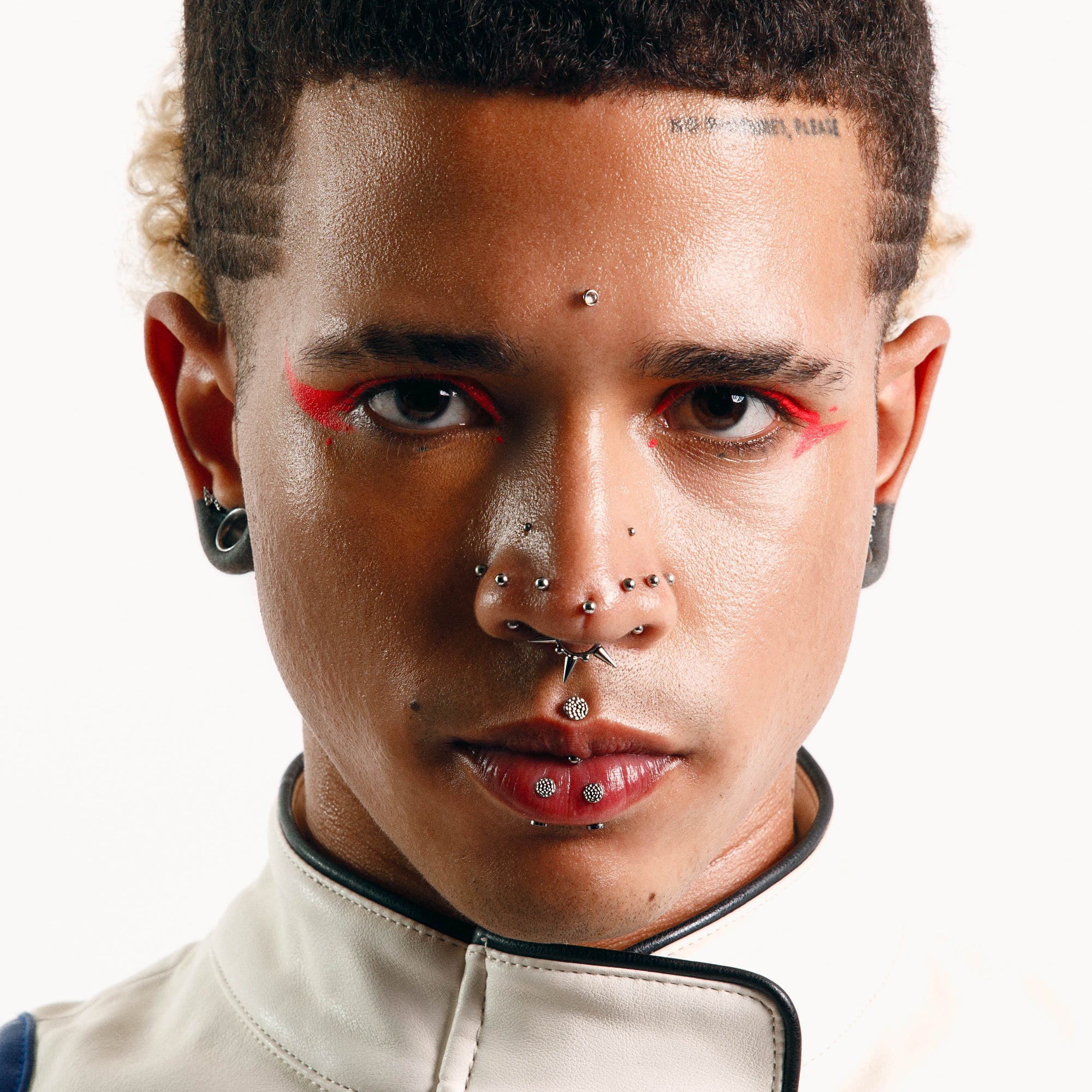
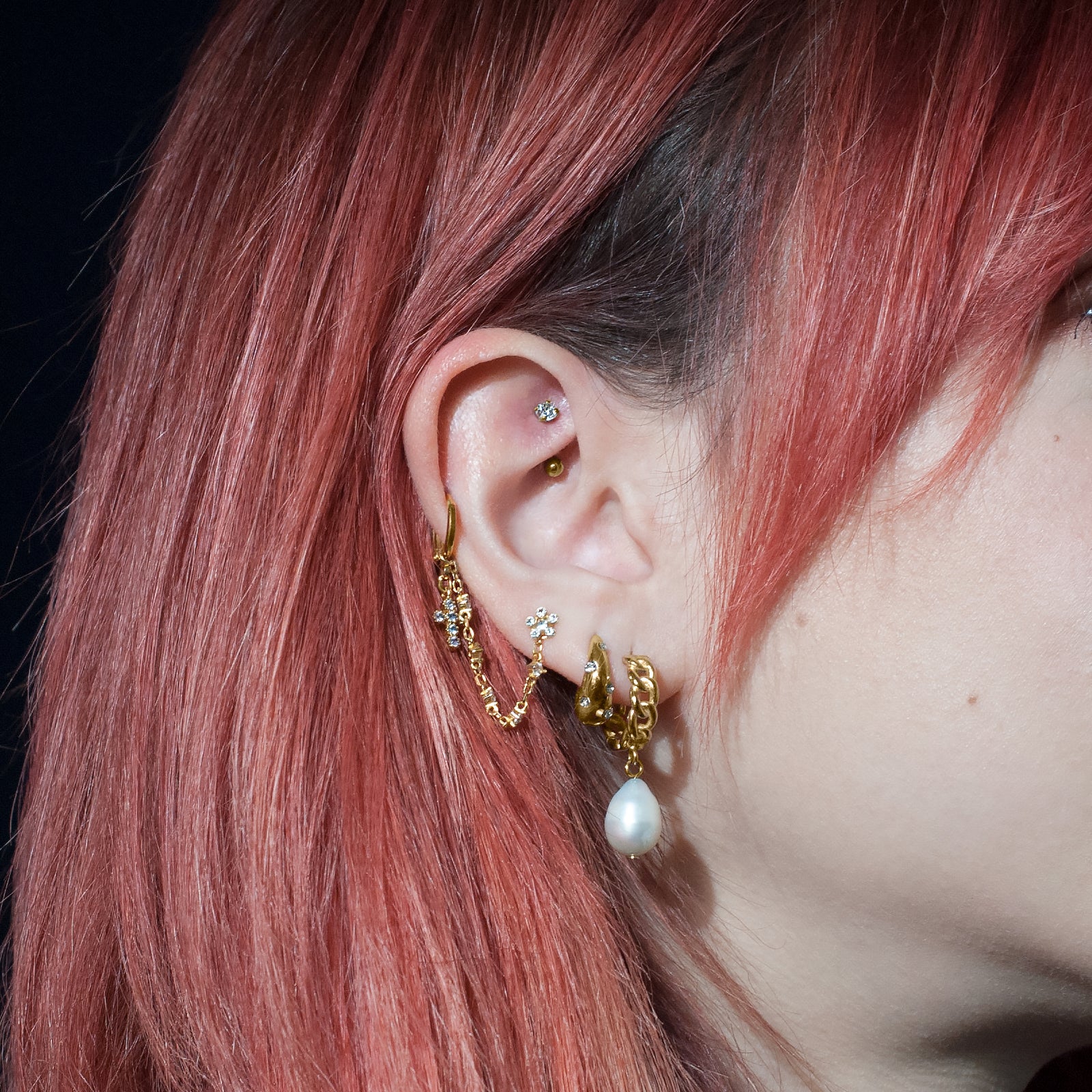
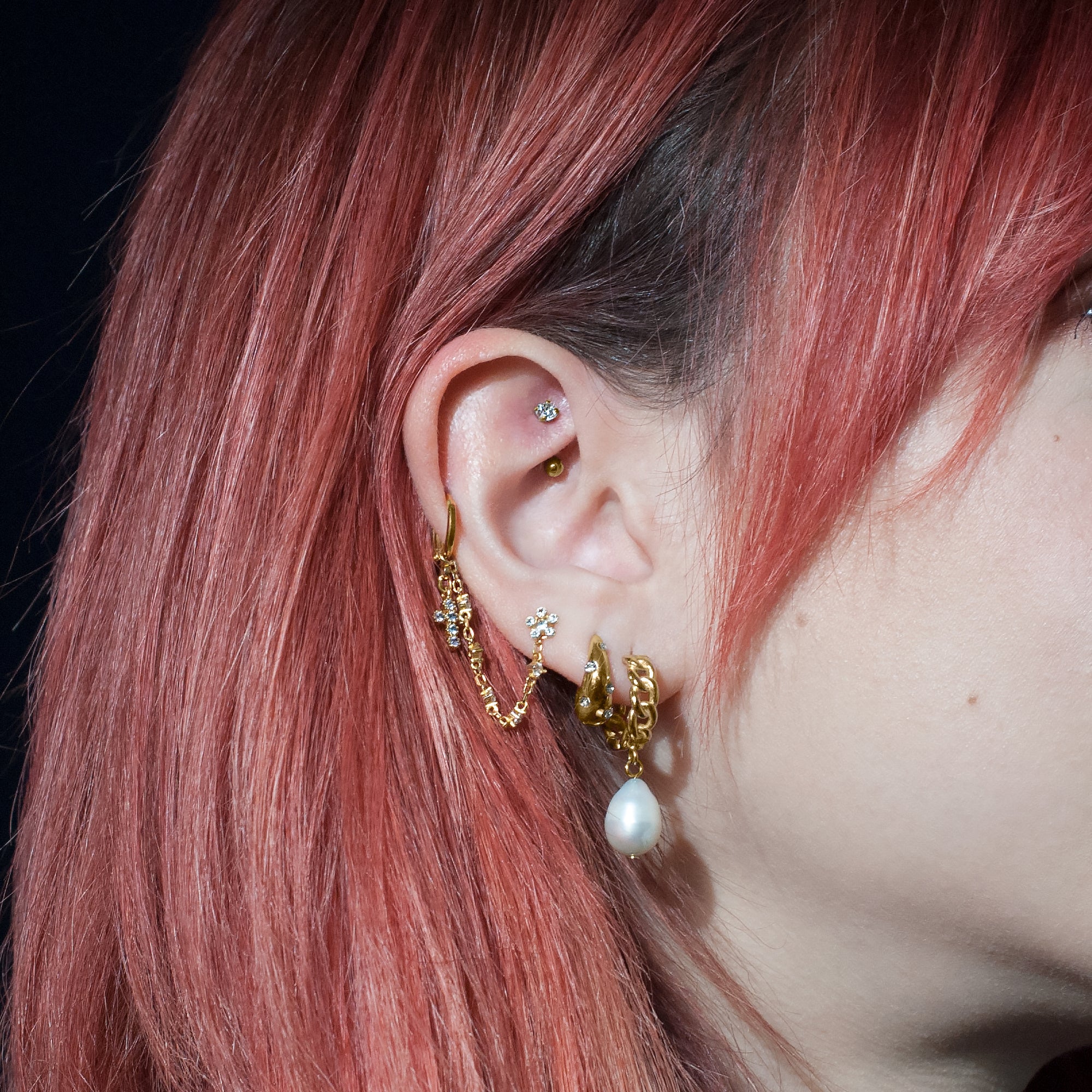
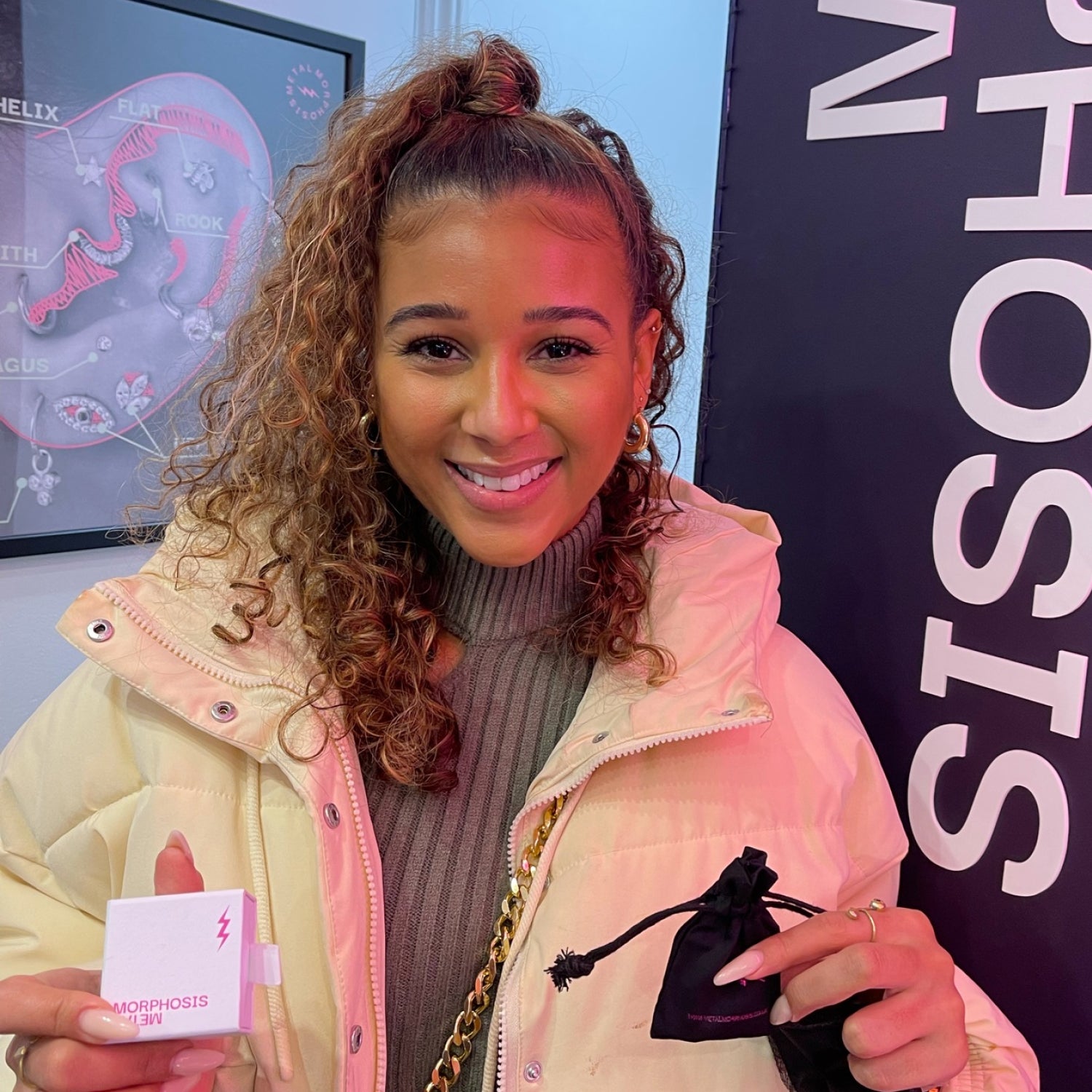
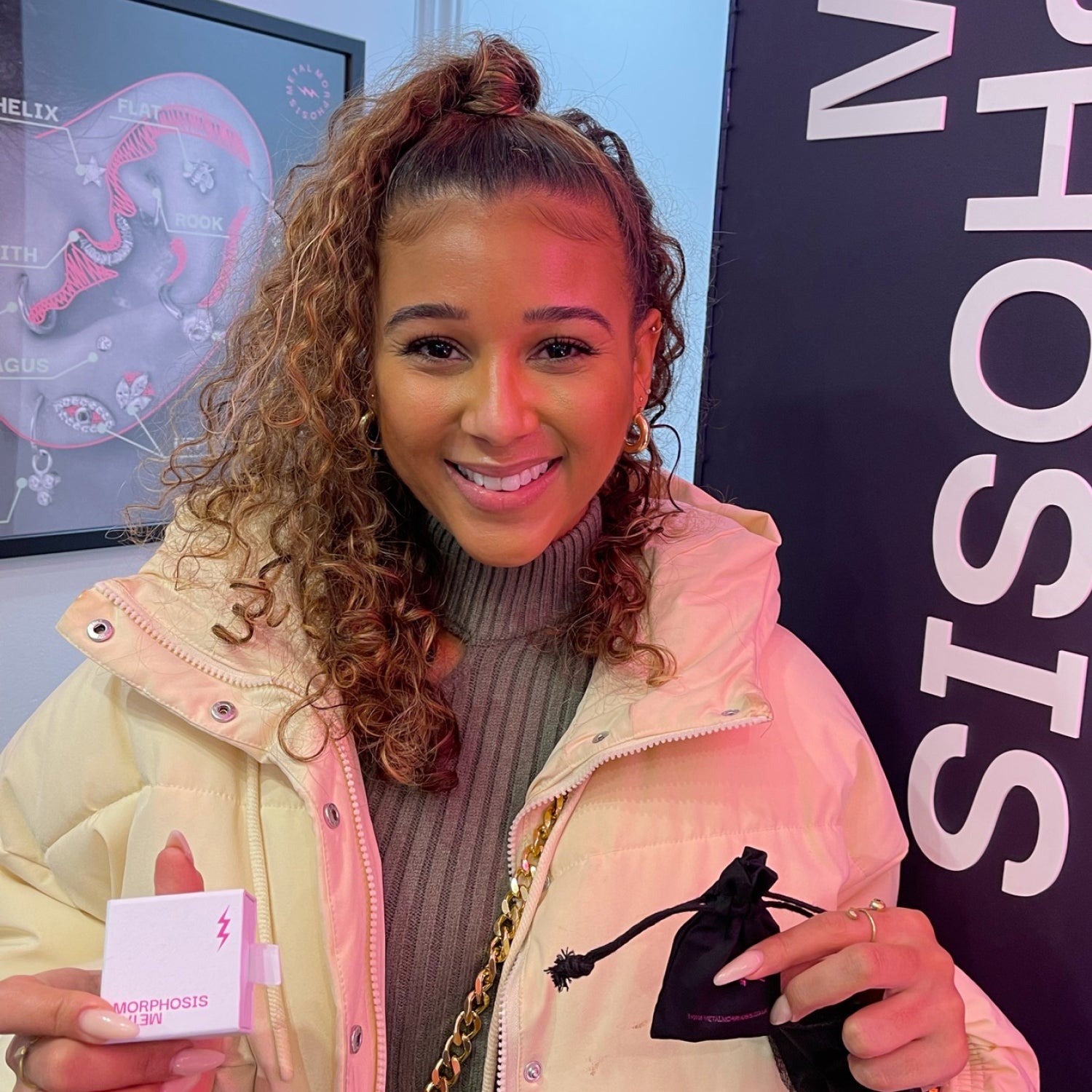
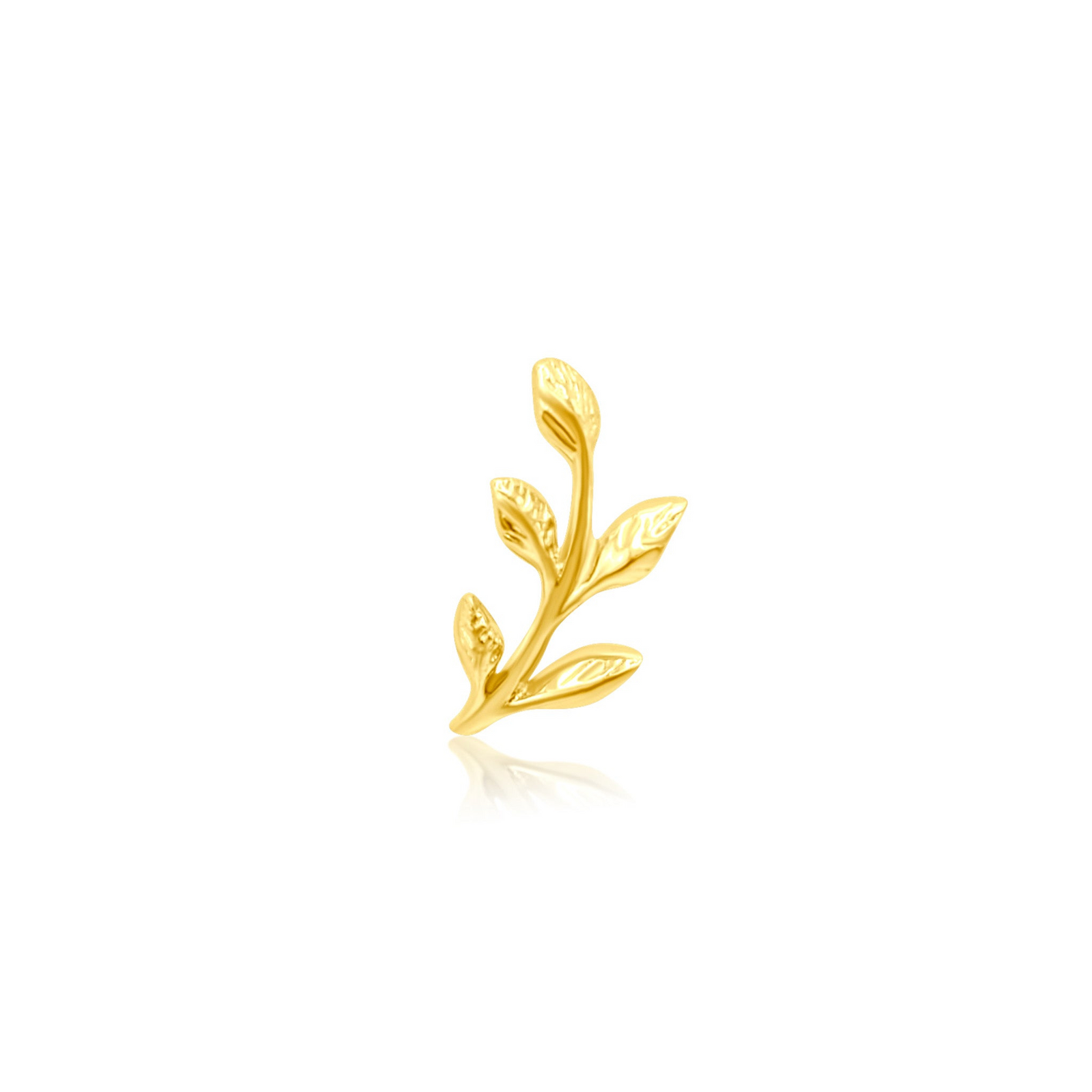




Getting your first piercing in London should feel exciting, and luckily, you’re in one of the best cities to do it. From fashion-led studios to experienced piercers and really great jewellery, London has plenty of options.
Whether you’ve been planning it for months or suddenly decided today is the day, knowing what to expect can make the whole experience easier. From choosing the right studio to understanding healing and aftercare, a little preparation goes a long way.
At Metal Morphosis, piercing has always been about individuality and self-expression. So if this is your first step into the world of piercings, here’s everything you need to know before your appointment.
How Do You Choose the Right Piercing Studio in London?
Your first piercing is one of those experiences you want to get right, so choosing the right studio matters.
London has plenty of piercing studios to choose from, but look for one with experienced piercers, high hygiene standards, quality jewellery and clear piercing aftercare advice. A good piercer should also take time to answer your questions, check your anatomy, and explain what will work best for you rather than simply rushing you into the chair.
It’s also worth checking whether the studio uses sterile, single-use needles and whether the jewellery offered is suitable for a fresh piercing.
If you want a deeper dive into what to look for, read our guide toHow to Choose the Best Local Piercing Studio.
What Should You Do Before Your Piercing Appointment?
Try to eat beforehand and stay well hydrated. Turning up hungry, dehydrated, or after a few drinks is definitely not the best way to start your piercing journey.
Wear something comfortable, especially if you are having a body piercing where easy access to the area will help. If you’re booking a nipple piercing in London, choose comfortable clothing and a professional studio where you feel at ease.
It is also a good idea to think about your everyday routine before choosing a placement. Do you wearheadphones all day? Sleep on one side? Play contact sports? Wear a uniform for work? These small details can make a big difference when it comes to choosing a piercing that fits your lifestyle as well as your look.
And if you have your heart set on a particular piercing, remember that anatomy matters too. Your piercer can check whether the placement will work safely for your body and suggest alternatives if needed.
What Happens During a Piercing Appointment?
If this is your first piercing, the mystery of what actually happens can make it feel more stressful than it needs to be.
When you arrive, your piercer will chat with you about the piercing you want, help you choose your jewellery and talk through the placement. They’ll then check your anatomy and mark the area so you can see exactly where the piercing will sit.
Once you’re happy with the position, your piercer will clean the area and use a sterile needle to create the piercing. They’ll then fit your jewellery and explain how to care for it while it heals.
The piercing itself is usually over in just a few seconds.
Does Getting a Piercing Hurt?
Probably the most common first-piercing question: how much is this actually going to hurt?
Everyone experiences pain differently, and some placements are more sensitive than others. A lobe piercing will usually feel different from cartilage piercings such as a helix, rook or conch.
For most piercings, the sharp sensation lasts only a few seconds.
If you are nervous, tell your piercer. You definitely will not be the first person to say, “I’m excited, but I’m also slightly terrified.”
How Do You Choose Jewellery for a New Piercing?
It’s tempting to choose jewellery based purely on how it looks, and obviously, looking good is always a goal.
But with a fresh piercing, quality, fit, and material matter just as much as style.
Your initial jewellery needs to allow space for swelling and support healthy healing. Materials such as implant-grade titanium and suitable solid gold are often good choices for fresh piercings. They are durable and generally comfortable to wear.
Your piercer can help you choose something that works for the piercing now while keeping your longer-term jewellery goals in mind.
That statement piece can come later. Healing first, jewellery obsession second.
How Long Does a New Piercing Take to Heal?
There is no single healing time for every piercing.
A lobe piercing will generally heal faster than many cartilage piercings, while areas such as the helix, conch, rook, or nose can take considerably longer.
One important thing to remember is that a piercing may look healed on the outside before the tissue inside has fully recovered. Changing jewellery too early or putting unnecessary pressure on the area can slow things down.
Your piercer should give you an estimated healing timeline based on the placement and explain when it is safe to change your jewellery.
Patience may not be the most exciting part of getting pierced, but your future ear stack will thank you for it.
What Does Good Piercing Aftercare Look Like?
Good piercing aftercare does not need to be complicated.
The most important thing is to follow the advice your piercer gives you and avoid constantly touching or playing with your new piercing.
Keep the area clean, avoid twisting the jewellery and be mindful of anything that could put pressure on it. That can include sleeping directly on an ear piercing, tight clothing, helmets, headphones, hair products or even repeatedly catching it with a hairbrush.
You should also avoid changing the jewellery before the piercing is ready.
Sometimes the best piercing aftercare advice is surprisingly simple: keep it clean, leave it alone, and give your body time to do its thing.
When Should You Contact Your Piercer?
Some tenderness, swelling, or sensitivity can be normal in the early stages of healing.
However, if your jewellery starts feeling too tight, irritation does not improve, or something simply does not feel right, contact your piercer for advice.
A professional piercer can check the placement, jewellery fit, and healing progress and help determine whether an adjustment is needed.
If you have symptoms that could indicate an infection or another medical concern, seek advice from a healthcare professional rather than trying to diagnose or treat it yourself.
Getting Your First Piercing at Metal Morphosis London
Metal Morphosis has been part of the UK piercing world for more than 30 years, helping make professional piercing more accessible while continuing to celebrate individuality, creativity, and self-expression.
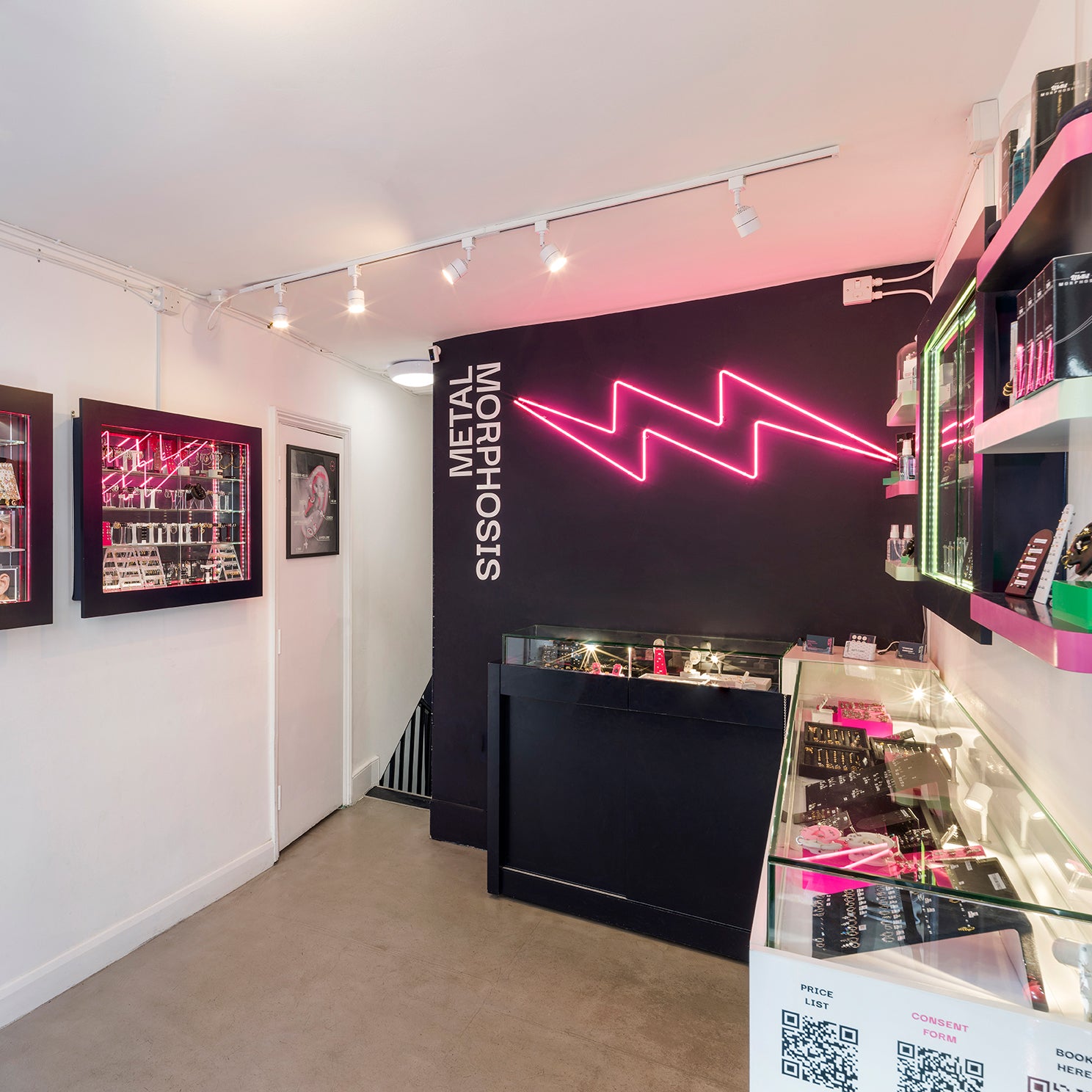
Today, you can visit Metal Morphosis piercing studios inCarnaby andCovent Garden, right in the heart of Central London.
Whether you are considering your first ear piercing, facial piercing, body piercing, or the beginning of a carefully curated ear stack, the team can help you choose a placement and jewellery that works for your anatomy, lifestyle, and personal style.
Because your first piercing should not just look good. It should feel like you.
First Piercing FAQs
What is the best piercing for a beginner?
A lobe piercing is often a popular first choice because it is versatile and generally simpler to heal than many cartilage piercings.
Can I choose my jewellery at the appointment?
Yes. Your piercer can help you choose jewellery that suits the piercing and allows room for swelling.
How soon can I change my jewellery?
That depends on the piercing and how well it is healing. Follow your piercer’s advice before changing it.
Can I bring someone with me?
Studio policies vary, so check before your appointment.
What should I avoid after getting pierced?
Avoid unnecessary touching, twisting the jewellery and putting repeated pressure on the piercing.
Visit Metal Morphosis inCarnaby or Covent Garden and start your piercing journey with a team that has been helping Londoners express themselves for more than 30 years.
Because everyone remembers their first piercing so make it a good one.


